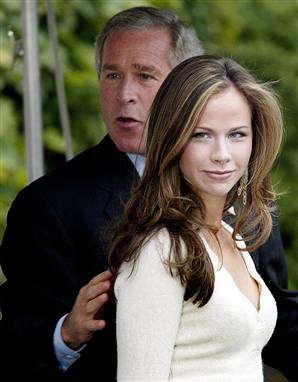
Monday, August 31, 2009
The Falcon Has Landed
According to The Gumshoe Site’s Jiro Kimura, New York City novelist S. J. Rozan has picked up the Maltese Falcon Award for her 2002 novel, Winter and Night. Given out by the Maltese Falcon Society of Japan, this commendation honors what society members believe is “the best hard-boiled/private eye novel published in Japan in the previous year.” Past recipients include Cormac McCarthy, Michael Connelly, Sue Grafton, and Lawrence Block.
Women Rule!
For the last few weeks, thinking that a new edition of Richard Helms’ excellent Back Alley Webzine must surely be posted soon, I’ve checked the site frequently--without satisfaction. Then, just today, the new contents suddenly appeared.
The last issue, you may recall, was given over to work by Canadian writers. This latest one focuses solely on crime fiction by women. Among its contributors: G. Miki Hayden (“Some Call It Revenge”), Debbi Mack (“The Right to Remain Silent”), and the seemingly ubiquitous Patricia Abbott (“Raising the Dead”). In addition, you’ll find the fifth installment of a seven-part serialization of Frank Norris’ “classic noir” novel, McTeague (1899).
Check out the whole mag, when you have a chance.
The last issue, you may recall, was given over to work by Canadian writers. This latest one focuses solely on crime fiction by women. Among its contributors: G. Miki Hayden (“Some Call It Revenge”), Debbi Mack (“The Right to Remain Silent”), and the seemingly ubiquitous Patricia Abbott (“Raising the Dead”). In addition, you’ll find the fifth installment of a seven-part serialization of Frank Norris’ “classic noir” novel, McTeague (1899).
Check out the whole mag, when you have a chance.
Sunday, August 30, 2009
The Dreaming Endures
I missed spotting this tidbit when I glanced over The New York Times’ piece about the last days of Senator Edward Kennedy. Thankfully, The HMS Weblog directed my attention to this excerpt from the August 26 feature:
As recently as a few days ago, Mr. Kennedy was still digging into big bowls of mocha chip and butter crunch ice creams, all smushed together (as he liked it). He and his wife, Vicki, had been watching every James Bond movie and episodePresident John F. Kennedy was known to be a loyal fan of Ian Fleming’s fiction. It’s good to see that he was able to push his “kid brother” in the same direction.
of “24” on DVD.
Saturday, August 29, 2009
A Break from the Break
So here I am, once more tearing myself away from my much-needed end-of-summer mini-vacation (not to mention the televised coverage of Senator Edward Kennedy’s funeral) in order to check up on what’s new in the world of crime fiction and such:
• For some strange reason, news about the recipients of this year’s Ned Kelly Awards has been difficult to glean. However, Karen Chisholm of AustCrimeFiction finally learned the results, as did Kellie Smith of Mysteries in Paradise. Meanwhile, the Melbourne Age carries a profile of Shane Maloney, who received this year’s Lifetime Achievement Award from the Crime Writers Association of Australia.
• Graphic novelist Darwyn Cooke is interviewed on the subject of his latest, quite wonderful project, Parker: The Hunter. Elsewhere, Megan Abbott (Bury Me Deep) chats it up with 3:AM Magazine, and Lesa Holstine talks with both Hank Phillippi Ryan and her series protagonist, Charlotte “Charlie” McNally.
• It was four years ago today that Hurricane Katrina clobbered the beautiful, historic city of New Orleans, a disaster that was compounded by the utter incompetence of the Bush administration to prepare for its striking or to deal with its aftermath. (My various posts on the subject can be found here.) George W. Bush’s failure in the face of that event, with its levee breakages and flooding and persistent homelessness, was in no small part responsible for the American public’s fast-escalating dissatisfaction with his presidency as well as the defeat of his intended Republican’t successor, John McCain--who at the time Katrina whipped onto the Gulf Coast, was off cutting birthday cake with Bush in Arizona. President Obama has promised to do more to help New Orleans and the rest of the Gulf Coast come back from those dark days in the summer of 2005. I’m hoping that his promises are kept, not abandoned like Bush’s.
• Rhian Davies (aka CrimeFicReader) picks up on news that “Ann Cleeves’s [2007] novel, Hidden Depths, featuring Northumberland-based detective Vera Stanhope, is to be televised. ITV Studios is producing the two-hour drama and production commences in October.” Excellent!
• In other TV news ... According to TV Squad, the Miami-based spy series Burn Notice is “now USA’s most-watched original series ever with 9.1 million viewers during August episodes--the first time a USA original series has broken the nine million viewers benchmark.” ... NBC-TV has delayed the Season 2 debut of Southland for one month. Look for that grittier-than-usual cop drama again at the end of October. ... Speaking of season premieres, here’s a preview of what’s to come when CSI: Miami returns on September 21. ... The crime/con game drama Leverage has already been renewed for a third season by TNT. ... Actor Jack Klugman is once more suing over lost profits from his 1976-1983 NBC crime drama, Quincy, M.E. ... And while I didn’t pay much attention during its late 1970s run to The Hardy Boys/Nancy Mysteries, it was still sort of nostalgic to see the opening title sequence of that show once more.
• Another crime-fiction blog worth following: Old Bones.
• A terrific Mickey Spillane book cover.
• Who knew there was a “body in the bathtub” subgenre?
• Sarah Weinman’s latest Dark Passages column for the Los Angeles Times focuses on the “manly adventures” of Gabriel Hunt, a series star cooked up by one of our favorite editors, Charles Ardai of Hard Case Crime. Read all of Weinman’s piece here.
• H.R.F. Keating submits his latest novel, the prequel Inspector Ghote’s First Case, to Marshal Zeringue’s Page 69 Test. The results are here. At the same time, author John Buntin runs his remarkable new non-fiction work, L.A. Noir: The Struggle for the Soul of America’s Most Seductive City, through the Page 99 wringer. You can read more about that here.
• How funny. I hadn’t noticed before today just how outstanding W.W. Norton’s boxed set of Patricia Highsmith’s Tom Ripley novels really is. Thanks to the blog Book Covers Anonymous for making me think about this for my Christmas list.
• And while most blogs (including this one) are on a two-week hiatus from the “forgotten books” series, two regular contributors are keeping up the celebration: Bill Crider wrote on Friday about Manhunt Is My Mission, by Stephen Marlowe, while George Kelly championed Wettermark, by Elliott Chaze.
• For some strange reason, news about the recipients of this year’s Ned Kelly Awards has been difficult to glean. However, Karen Chisholm of AustCrimeFiction finally learned the results, as did Kellie Smith of Mysteries in Paradise. Meanwhile, the Melbourne Age carries a profile of Shane Maloney, who received this year’s Lifetime Achievement Award from the Crime Writers Association of Australia.
• Graphic novelist Darwyn Cooke is interviewed on the subject of his latest, quite wonderful project, Parker: The Hunter. Elsewhere, Megan Abbott (Bury Me Deep) chats it up with 3:AM Magazine, and Lesa Holstine talks with both Hank Phillippi Ryan and her series protagonist, Charlotte “Charlie” McNally.
• It was four years ago today that Hurricane Katrina clobbered the beautiful, historic city of New Orleans, a disaster that was compounded by the utter incompetence of the Bush administration to prepare for its striking or to deal with its aftermath. (My various posts
on the subject can be found here.) George W. Bush’s failure in the face of that event, with its levee breakages and flooding and persistent homelessness, was in no small part responsible for the American public’s fast-escalating dissatisfaction with his presidency as well as the defeat of his intended Republican’t successor, John McCain--who at the time Katrina whipped onto the Gulf Coast, was off cutting birthday cake with Bush in Arizona. President Obama has promised to do more to help New Orleans and the rest of the Gulf Coast come back from those dark days in the summer of 2005. I’m hoping that his promises are kept, not abandoned like Bush’s.• Rhian Davies (aka CrimeFicReader) picks up on news that “Ann Cleeves’s [2007] novel, Hidden Depths, featuring Northumberland-based detective Vera Stanhope, is to be televised. ITV Studios is producing the two-hour drama and production commences in October.” Excellent!
• In other TV news ... According to TV Squad, the Miami-based spy series Burn Notice is “now USA’s most-watched original series ever with 9.1 million viewers during August episodes--the first time a USA original series has broken the nine million viewers benchmark.” ... NBC-TV has delayed the Season 2 debut of Southland for one month. Look for that grittier-than-usual cop drama again at the end of October. ... Speaking of season premieres, here’s a preview of what’s to come when CSI: Miami returns on September 21. ... The crime/con game drama Leverage has already been renewed for a third season by TNT. ... Actor Jack Klugman is once more suing over lost profits from his 1976-1983 NBC crime drama, Quincy, M.E. ... And while I didn’t pay much attention during its late 1970s run to The Hardy Boys/Nancy Mysteries, it was still sort of nostalgic to see the opening title sequence of that show once more.
• Another crime-fiction blog worth following: Old Bones.
• A terrific Mickey Spillane book cover.
• Who knew there was a “body in the bathtub” subgenre?
• Sarah Weinman’s latest Dark Passages column for the Los Angeles Times focuses on the “manly adventures” of Gabriel Hunt, a series star cooked up by one of our favorite editors, Charles Ardai of Hard Case Crime. Read all of Weinman’s piece here.
• H.R.F. Keating submits his latest novel, the prequel Inspector Ghote’s First Case, to Marshal Zeringue’s Page 69 Test. The results are here. At the same time, author John Buntin runs his remarkable new non-fiction work, L.A. Noir: The Struggle for the Soul of America’s Most Seductive City, through the Page 99 wringer. You can read more about that here.
• How funny. I hadn’t noticed before today just how outstanding W.W. Norton’s boxed set of Patricia Highsmith’s Tom Ripley novels really is. Thanks to the blog Book Covers Anonymous for making me think about this for my Christmas list.
• And while most blogs (including this one) are on a two-week hiatus from the “forgotten books” series, two regular contributors are keeping up the celebration: Bill Crider wrote on Friday about Manhunt Is My Mission, by Stephen Marlowe, while George Kelly championed Wettermark, by Elliott Chaze.
More After Morse
Inspector Lewis, the UK TV series spun off from the successful Inspector Morse dramas (1987-2000), returns to the American small screen tomorrow night as part of PBS-TV’s Masterpiece Mystery! showcase. This time ’round, Robbie Lewis (Kevin Whately) and his younger, more intellectual partner, Detective Sergeant James Hathaway (Laurence Fox), tackle seven cases involving everything from stolen rare books and no-rules boxing to assault on a teenage girl and “a prominent Oxford celebrity atheist who years earlier had been the intended target of a botched murder attempt.”
These 90-minute episodes will air from August 30 through October 18. Check your local listings for times and channels.
These 90-minute episodes will air from August 30 through October 18. Check your local listings for times and channels.
Thursday, August 27, 2009
Kill Her Madly
In January Magazine today, contributing editor Anthony Rainone applauds Michael Connelly’s latest Jack McEvoy adventure, The Scarecrow, as “a tense, taut thriller that never exhausts itself of surprises for the reader.” Of the plot, he writes:
Los Angeles Times cop beat reporter Jack McEvoy becomes another victim of downsizing when the paper gives him his Reduction in Force notice--aka “pink slip.”In addition to reviewing this novel, Rainone asks the author himself a few questions about The Scarecrow. You’ll find it all here.But that doesn’t take the charge out of McEvoy’s instincts for a good story, especially if it means he can go out with a bang and leave some egg on his bosses’ faces. And McEvoy has just the article in mind.
Sixteen-year-old Alonzo Winslow stands accused of a trunk murder--killing 23-year-old stripper Denise Babbit and stuffing her body into the trunk of her car. LAPD detectives claim that Winslow confessed to the killing, and the authorities are set to charge him as an adult. Winslow’s mother, though, calls McEvoy and challenges him to do the right thing--namely, clear her gang-banger son of a murder he didn’t commit. Although McEvoy first envisioned the article as a lengthy exposé on how a young man is turned into a killer, he is subsequently convinced of Winslow’s innocence.

Wednesday, August 26, 2009
The SoCal Seal of Approval
Although there were six nominees last year, there are only three books vying for the 2009 T. Jefferson Parker Mystery Award, given out by the Southern California Independent Booksellers Association (SCIBA). “This award,” according to the association, “recognizes excellence in books that reflect Southern California culture or lifestyle, with authors/illustrators living within the SCIBA region.”
And the nominees are ...
• Trust No One, by Gregg Hurwitz (St. Martin’s Press)
• The Mystic Arts of Erasing All Signs of Death, by Charlie Huston (Ballantine Books)
• The Grift, by Debra Ginsberg (Shaye Areheart Books)
A winner will be chosen by SCIBA booksellers and is expected to be announced during an Author’s Feast on October 24.
And the nominees are ...
• Trust No One, by Gregg Hurwitz (St. Martin’s Press)
• The Mystic Arts of Erasing All Signs of Death, by Charlie Huston (Ballantine Books)
• The Grift, by Debra Ginsberg (Shaye Areheart Books)
A winner will be chosen by SCIBA booksellers and is expected to be announced during an Author’s Feast on October 24.
“A Leader, a Statesman, and a Hero”
It was sad to wake up this morning to news that Senator Edward Kennedy (D-Massachusetts) has died at age 77. His demise comes as no great surprise; he was diagnosed last spring with brain cancer, and has not been able to cast a vote in the Senate for months. Still, the loss of this great “liberal lion” of Congress--the brother of an assassinated president, the brother of a slain presidential candidate, and once a presidential contender himself, in 1980--is profound. “An important chapter in our history has come to an end,” President Barack Obama said in a statement this morning. “Our country has lost a great leader, who picked up the torch of his fallen brothers and became the greatest United States Senator of our time.”
I won’t try and outdo others in heaping praise upon Kennedy. He was a man who had his faults, like all humans (except, I guess, those Republican’ts who insist that their political ascendancy was ordained by God), but he spent five decades strongly backing civil-rights legislation, worker-pay improvements, and efforts to make health care affordable and available to all Americans. Let me just direct you to some news items I think are valuable in understanding Ted Kennedy’s remarkable legacy:
• From Steve Benen of The Washington Monthly: “Kennedy’s Unfinished Work,” “‘One of the Most Accomplished Americans Ever to Serve Our Democracy,’” and “Quote of the Day.”
• From The New York Times: “Edward Kennedy, Senate Stalwart, Dies,” by John M. Broder; “Q&A About Senator Kennedy,”
by Adam Clymer
• From The Washington Post: “End of an American Epoch,” by Joe Holley; “Edward M. Kennedy, 1932-2009.”
• From Salon: “Remembering Teddy,” by Vincent Rossmeier; “ Ted Kennedy, Champion of Social Justice,” by Robert Reich; “The Senator’s Last Battle,” by Joan Walsh; “A Man of History,” by Vincent Rossmeier; “Emotional Biden Remembers Kennedy.”
• And from Slate: “Edward M. Kennedy (1932-2009): The Kennedy Who Most Changed America,” by Timothy Noah.
I won’t try and outdo others in heaping praise upon Kennedy. He was a man who had his faults, like all humans (except, I guess, those Republican’ts who insist that their political ascendancy was ordained by God), but he spent five decades strongly backing civil-rights legislation, worker-pay improvements, and efforts to make health care affordable and available to all Americans. Let me just direct you to some news items I think are valuable in understanding Ted Kennedy’s remarkable legacy:
• From Steve Benen of The Washington Monthly: “Kennedy’s Unfinished Work,” “‘One of the Most Accomplished Americans Ever to Serve Our Democracy,’” and “Quote of the Day.”
• From The New York Times: “Edward Kennedy, Senate Stalwart, Dies,” by John M. Broder; “Q&A About Senator Kennedy,”
by Adam Clymer
• From The Washington Post: “End of an American Epoch,” by Joe Holley; “Edward M. Kennedy, 1932-2009.”
• From Salon: “Remembering Teddy,” by Vincent Rossmeier; “ Ted Kennedy, Champion of Social Justice,” by Robert Reich; “The Senator’s Last Battle,” by Joan Walsh; “A Man of History,” by Vincent Rossmeier; “Emotional Biden Remembers Kennedy.”
• And from Slate: “Edward M. Kennedy (1932-2009): The Kennedy Who Most Changed America,” by Timothy Noah.
Tuesday, August 25, 2009
Bullet Points: The Slow-Down Edition
With August on the wane, and the prospect of fall in the weather, The Rap Sheet is going to slow things up a bit for the next couple of weeks. That means somewhat fewer posts, and a hiatus for our “Books You Have to Read” series until Friday, September 11. However, we’ll continue to keep track of crime-fiction-related news developments, and bring those to you as soon as possible. Speaking of such bits and pieces ...
• The sales of Ian Fleming’s James Bond novels benefited from President John Kennedy taking an interest in them. Dennis Lehane, Walter Mosley, Harlan Coben, and Alex Kava received the seal of approval from First Reader Bill Clinton in the 1990s. Now it seems to be George Pelecanos’ turn. According to The Daily Telegraph, the selection of books President Barack Obama has packed along with him on his family’s vacation to Martha’s Vineyard features Tom Friedman’s Hot, Flat and Crowded, David McCullough’s John Adams, Richard Price’s Lush Life, Kent Haruf’s Plainsong, and Pelecanos’ newest paperback novel, The Way Home. If history provides any sort of guide, bookstores should expect to see sales of The Way Home shoot up over the next few weeks.
• We’re adding a new blog listing in the right-hand column. It will connect you to Guns, Gams, and Gumshoes, written by “a couple of P.I.s who also happen to be writers.” Shaun Kaufman and Colleen Collins are co-owners of a detective agency out in Denver, Colorado, called Highlands Investigations & Legal Services. They also apparently sit on the board for the Rocky Mountain chapter of the Mystery Writers of America. Their still-new blog, they say, is “geared to mystery writers, and contains weekly [posts] on investigative trends, answering writers’ questions about private investigations, and investigative topics of interest.” If you’re setting out to write a private-eye novel, but lack the professional experience of Dashiell Hammett, then Guns, Gams, and Gumshoes just might provide some useful background and tips.
• Another addition to our extensive blogroll: Classic Paperback Reads, in which Steve Kaye (aka Clay Burnham) satisfies his “overwhelming need ... to celebrate the thrilling images of past paperbacks, and to keep them alive.” Also well worth a visit.
• Actress Jorja Fox muses on her return to CSI.
• Here are your Davitt Award winners for 2009.
• We missed mentioning the death on August 14 of Philip Saltzman. An American TV producer and writer, Saltzman worked over the years on The Fugitive, Felony Squad, Perry Mason, The F.B.I., Columbo, A Man Called Sloane, Barnaby Jones, and many other projects, a number of them in collaboration with producer Quinn Martin. Both Stephen Bowie, at The Classic TV Blog, and TV historian Ed Robertson (see here) have posted fond remembrances of the late Mr. Saltzman.
• Also worth reading in The Classic TV Blog is Bowie’s analysis of how Los Angeles has been perceived--and misrepresented--by some familiar crime shows.
• Details of Left Coast Crime 2011, which will take place in Santa Fe, New Mexico, have finally been worked out. Pari Noskin Taichert reports in Murderati that the guests of honor will be Margaret Coel and Steven Havill, and that a lifetime achievement award will be given during the festivities to Martin Cruz Smith. More info here.
• Meanwhile, Bouchercon 2010 in San Francisco is still 14 months away (which means it’s high time for me to start planning my attendance), but already there’s been an announcement of who will be headlining the 2011 event in St. Louis. Robert Crais and Charlaine Harris will appear as the American guests of honor, while Colin Cotterill and Val McDermid have been tapped as international guests of honor. The lifetime achievement prize will go to Sara Paretsky.
• A new Agatha Christie short story featuring Belgian sleuth Hercule Poirot? Britain’s Daily Mail published “The Capture of Cerebrus” on Sunday. And Sarah Weinman offers some background about this “lost” story and its future here.
• How do James Bond and Matt Helm compare? Find out here.
• Author Marshall Karp (Flipping Out) talks with UK blogger Ben Hunt about being compared with Janet Evanovich and Carl Hiaasen, L.A.’s reputation as “a giant theme park of the bad, the mad and the utterly insane,” and more. Their exchange is here.
• American right-wingers have already gone to crazy town with their lie-filled denouncements of President Obama’s health-care reform initiatives, and they threaten to turn their profoundly negative campaign into even more of a farce. But the idea that the Republican’ts are now “promising to protect seniors’ Medicare from Dems”? That’s just comedy.
• For the benefit of a videographer, Robert Crais and Gregg Hurwitz discuss the inspiration and execution of Hurwitz’s newest novel, Trust No One.
• How many of you remember that Mary Ann Mobley was originally slated to play April Dancer in The Girl from U.N.C.L.E., but was replaced by Stefanie Powers?
• Ian Rankin talks with The Guardian about his new protagonist, Malcolm Fox (a “quite different proposition from [Detective Inspector John] Rebus ... he works in one of the police force’s most unpopular departments: the professional standards unit, investigating other cops”), star of the forthcoming novel The Complaints. At the same time, some critics already say “the omens are not good” for Rankin’s post-Rebus fiction. Could we be jumping the gun a bit, guys? How about if we actually read the book and see how readers react before pronouncing this Scottish author’s career moribund?
• Although Rankin accepted induction as an Officer of the Order of the British Empire back in 2002, 72-year-old fellow Scottish novelist William McIlvanney (Laidlaw) has declined the same honor. He told Scotland on Sunday: “It’s something that I tried on in my mind, and I found it didn’t fit. The sleeves were too long, and it just wasn’t part of me. It felt like trying to put a top hat on a man in a boiler suit.”
• Happy birthday, Allan Pinkerton and Sean Connery.
• Damn! The release of Martin Scorcese’s Shutter Island, the film based on Dennis Lehane’s creepy 2003 novel of the same name, has now been set back to February 2010. it was supposed to premiere in October of this year.
• Are you watching the new USA Network Web series Little Monk, which clues fans of Tony Shalhoub’s obsessive-compulsive detective in on Adrian Monk’s back-story? You can catch up with it here.
• Former Seattle city librarian turned book personality Nancy Pearl spotlights nine mysteries that might help you fill out your late summer reading list.
• DC Comics’ Vertigo Crime line has finally arrived.
• And Mark Troy, author of the Honolulu-set Val Lyon P.I. stories, celebrates Hawaii’s 50th anniversary of U.S. statehood this month by reminding us of “two of the best mystery/adventure shows to appear on television”: Hawaiian Eye (1959-1963) and Adventures in Paradise (1959-1962). He has video clips here.
• The sales of Ian Fleming’s James Bond novels benefited from President John Kennedy taking an interest in them. Dennis Lehane, Walter Mosley, Harlan Coben, and Alex Kava received the seal of approval from First Reader Bill Clinton in the 1990s. Now it seems to be George Pelecanos’ turn. According to The Daily Telegraph, the selection of books President Barack Obama has packed along with him on his family’s vacation to Martha’s Vineyard features Tom Friedman’s Hot, Flat and Crowded, David McCullough’s John Adams, Richard Price’s Lush Life, Kent Haruf’s Plainsong, and Pelecanos’ newest paperback novel, The Way Home. If history provides any sort of guide, bookstores should expect to see sales of The Way Home shoot up over the next few weeks.
• We’re adding a new blog listing in the right-hand column. It will connect you to Guns, Gams, and Gumshoes, written by “a couple of P.I.s who also happen to be writers.” Shaun Kaufman and Colleen Collins are co-owners of a detective agency out in Denver, Colorado, called Highlands Investigations & Legal Services. They also apparently sit on the board for the Rocky Mountain chapter of the Mystery Writers of America. Their still-new blog, they say, is “geared to mystery writers, and contains weekly [posts] on investigative trends, answering writers’ questions about private investigations, and investigative topics of interest.” If you’re setting out to write a private-eye novel, but lack the professional experience of Dashiell Hammett, then Guns, Gams, and Gumshoes just might provide some useful background and tips.
• Another addition to our extensive blogroll: Classic Paperback Reads, in which Steve Kaye (aka Clay Burnham) satisfies his “overwhelming need ... to celebrate the thrilling images of past paperbacks, and to keep them alive.” Also well worth a visit.
• Actress Jorja Fox muses on her return to CSI.
• Here are your Davitt Award winners for 2009.
• We missed mentioning the death on August 14 of Philip Saltzman. An American TV producer and writer, Saltzman worked over the years on The Fugitive, Felony Squad, Perry Mason, The F.B.I., Columbo, A Man Called Sloane, Barnaby Jones, and many other projects, a number of them in collaboration with producer Quinn Martin. Both Stephen Bowie, at The Classic TV Blog, and TV historian Ed Robertson (see here) have posted fond remembrances of the late Mr. Saltzman.
• Also worth reading in The Classic TV Blog is Bowie’s analysis of how Los Angeles has been perceived--and misrepresented--by some familiar crime shows.
• Details of Left Coast Crime 2011, which will take place in Santa Fe, New Mexico, have finally been worked out. Pari Noskin Taichert reports in Murderati that the guests of honor will be Margaret Coel and Steven Havill, and that a lifetime achievement award will be given during the festivities to Martin Cruz Smith. More info here.
• Meanwhile, Bouchercon 2010 in San Francisco is still 14 months away (which means it’s high time for me to start planning my attendance), but already there’s been an announcement of who will be headlining the 2011 event in St. Louis. Robert Crais and Charlaine Harris will appear as the American guests of honor, while Colin Cotterill and Val McDermid have been tapped as international guests of honor. The lifetime achievement prize will go to Sara Paretsky.
• A new Agatha Christie short story featuring Belgian sleuth Hercule Poirot? Britain’s Daily Mail published “The Capture of Cerebrus” on Sunday. And Sarah Weinman offers some background about this “lost” story and its future here.
• How do James Bond and Matt Helm compare? Find out here.
• Author Marshall Karp (Flipping Out) talks with UK blogger Ben Hunt about being compared with Janet Evanovich and Carl Hiaasen, L.A.’s reputation as “a giant theme park of the bad, the mad and the utterly insane,” and more. Their exchange is here.
• American right-wingers have already gone to crazy town with their lie-filled denouncements of President Obama’s health-care reform initiatives, and they threaten to turn their profoundly negative campaign into even more of a farce. But the idea that the Republican’ts are now “promising to protect seniors’ Medicare from Dems”? That’s just comedy.
• For the benefit of a videographer, Robert Crais and Gregg Hurwitz discuss the inspiration and execution of Hurwitz’s newest novel, Trust No One.
• How many of you remember that Mary Ann Mobley was originally slated to play April Dancer in The Girl from U.N.C.L.E., but was replaced by Stefanie Powers?
• Ian Rankin talks with The Guardian about his new protagonist, Malcolm Fox (a “quite different proposition from [Detective Inspector John] Rebus ... he works in one of the police force’s most unpopular departments: the professional standards unit, investigating other cops”), star of the forthcoming novel The Complaints. At the same time, some critics already say “the omens are not good” for Rankin’s post-Rebus fiction. Could we be jumping the gun a bit, guys? How about if we actually read the book and see how readers react before pronouncing this Scottish author’s career moribund?
• Although Rankin accepted induction as an Officer of the Order of the British Empire back in 2002, 72-year-old fellow Scottish novelist William McIlvanney (Laidlaw) has declined the same honor. He told Scotland on Sunday: “It’s something that I tried on in my mind, and I found it didn’t fit. The sleeves were too long, and it just wasn’t part of me. It felt like trying to put a top hat on a man in a boiler suit.”
• Happy birthday, Allan Pinkerton and Sean Connery.
• Damn! The release of Martin Scorcese’s Shutter Island, the film based on Dennis Lehane’s creepy 2003 novel of the same name, has now been set back to February 2010. it was supposed to premiere in October of this year.
• Are you watching the new USA Network Web series Little Monk, which clues fans of Tony Shalhoub’s obsessive-compulsive detective in on Adrian Monk’s back-story? You can catch up with it here.
• Former Seattle city librarian turned book personality Nancy Pearl spotlights nine mysteries that might help you fill out your late summer reading list.
• DC Comics’ Vertigo Crime line has finally arrived.
• And Mark Troy, author of the Honolulu-set Val Lyon P.I. stories, celebrates Hawaii’s 50th anniversary of U.S. statehood this month by reminding us of “two of the best mystery/adventure shows to appear on television”: Hawaiian Eye (1959-1963) and Adventures in Paradise (1959-1962). He has video clips here.
Follow the Money
Talk about a timely bit of fiction. Former stockbroker Norb Vonnegut (one of Kurt’s cousins) has written a financial thriller, Top Producer, that ticks like a doomsday clock. Advance reviewers are jumping on its bobsled with the zeal of Olympic contenders.
“Vonnegut’s debut meets the gold standard for financial thrillers as it puts the frenzied, cutthroat world of Wall Street’s best stockbrokers (aka the ‘top producers’) on brilliant display,” says Publishers Weekly in a starred review. “Ripples from the bizarre murder of Charlie Kelemen, wealthy hedge fund operator, quickly reach his best friend, Grove O’Rourke. A top producer at the boutique investment bank Sachs, Kidder and Carnegie, O’Rourke tries to help Kelemen’s widow sort out some financial questions. This process leads him deeper and deeper into a labyrinth of deceit. As fallout from Charlie’s death and dealings start to taint O’Rourke, the sharks, inside and outside his own firm, smell blood and begin to circle. O’Rourke won’t go down without a fight, and not all the blood in the water will be his.”
Give it a shot. It will make you double-check your investments.
“Vonnegut’s debut meets the gold standard for financial thrillers as it puts the frenzied, cutthroat world of Wall Street’s best stockbrokers (aka the ‘top producers’) on brilliant display,” says Publishers Weekly in a starred review. “Ripples from the bizarre murder of Charlie Kelemen, wealthy hedge fund operator, quickly reach his best friend, Grove O’Rourke. A top producer at the boutique investment bank Sachs, Kidder and Carnegie, O’Rourke tries to help Kelemen’s widow sort out some financial questions. This process leads him deeper and deeper into a labyrinth of deceit. As fallout from Charlie’s death and dealings start to taint O’Rourke, the sharks, inside and outside his own firm, smell blood and begin to circle. O’Rourke won’t go down without a fight, and not all the blood in the water will be his.”
Give it a shot. It will make you double-check your investments.
Monday, August 24, 2009
Charles in Charge
This week brings the official release of Russell Atwood’s new novel, Losers Live Longer, the second installment of his series featuring New York City private eye Payton Sherwood--and his first book to be published by Hard Case Crime (HCC). Here’s the back-cover description of Atwood’s plot:
The death of legendary private eye George Rowell looked like an accident--but searching for the truth behindAtwood’s story is brimming with eccentric Manhattan color and the traditional pleasures of a private-eye yarn (lust, lack of trust, and leads gone bust). But what’s also interesting about this book is its horizontally oriented cover, boasting an illustration by that famous paperback artist Robert McGinnis. As Hard Case editor Charles Ardai (shown above) explains, “Horizontal covers were never really popular. They’re a quirky aberration, and are unlikely ever to catch on. But I happen to like them.” I was curious to know more about the front of Losers Live Longer. So I prevailed upon Ardai’s generosity to interview him on the subjects of paperback design, how he works with cover artists old and new, the origins of his popular paperback imprint, how idiosyncratic American tastes affect its jackets, and the future of both HCC and its newer sister line, The Adventures of Gabriel Hunt. You can enjoy the results of our discussion today in The Rap Sheet’s spin-off blog, Killer Covers.it will put down-and-out East Village detective Payton Sherwood on the corpse-littered trail of a runaway investment scam artist, a drug-addicted reality TV star--and the bewitching beauty whose appearance set it all in motion ...

Sunday, August 23, 2009
A Load of Scrap
Independent Crime’s Nathan Cain has tagged me to participate in the latest Internet meme, “Honest Scrap,” which calls on folks to “spit out 10 honest things about yourself.” Although this is quite reminiscent of an earlier meme that asked bloggers to reveal “16 random things” about themselves, I guess I can play along.
1. I didn’t have my first date until college. (Thanks, Cindy, you were a real trooper.) Blame this as much on the fact that I attended an all-boys Catholic high school as on any natural introversion.
2. When I was a teenager, I distressed my mother by watching what seemed like endless hours of TV game shows (Hollywood Squares, The Match Game, Password, etc.). Nowadays, you’d have to pay me to waste time in front of Deal or No Deal, Who Wants to Be a Millionaire? or series of that ilk.
3. I can’t stand to have flies in my house, and will swat the little bastards at any and every opportunity. On the other hand, I graciously usher spiders out the door unmolested.
4. I almost never read books recommended to me. Even by friends.
5. To the best of my recollection, I’ve only ever voted for one Republican in my life, and he’s no longer living. I grew to distrust members of the GOP during Richard M. Nixon’s Watergate scandal, and there’s nothing the party has done since to give me more confidence in its honesty. Trying to convince the country that President Bill Clinton was unfit for office and should therefore be brought down by what was effectively a coup attempt in the 1990s? Selling the media a bill of goods about “weapons of mass destruction” in Iraq that justified breaking the Treasury to pay for George W. Bush’s war on Islam? Promoting the idea of privatizing Social Security, but then lying about their intentions? Propounding one falsehood after the next to try and stop President Barack Obama’s efforts to reform health care and save the U.S. economy? Republicans think that Americans are stupid or uninformed enough to fall for their crap ... and the sad thing is how often they’re right.
6. On the other hand, and much to my shame, I used to think that Barbara Bush (the younger one, of course) was pretty hot.
7. My favorite number has always been 73. I don’t know why.
8. I almost never answer the telephone. The only people who get through to me directly are those whose names appear in my cell phone’s rather short list of contacts; otherwise, I let incoming calls go to voice-mail. I much prefer e-mail, which allows me to receive messages, consider them, and then get back to people as I am able.
9. I would rather eat breakfast than any other meal of the day. When I’m working hard on something interesting, I can go all day long without eating, no problem.
10. I’ve always preferred the company of women to that of men. I find women more interesting and, thankfully, less prone to making a competition out of everything. I used to have more female friends than male ones, but since I got married 18 years ago, that imbalance has tipped in the opposite direction to maintain domestic harmony.
And a bonus #11: The first person I was ever assigned by a professional newspaper to interview was former Washington Post editor Ben Bradlee, who had been invited to speak at my college as part of its annual lecture series. During the course of our discussion, we talked about the limits of the press’ intrusion into the private lives of public figures. (Q: “If [President] Carter was sleeping with someone [other than his wife], would it be a story?” A: “Depends on who.”) And I asked whether former first lady Betty Ford’s alcoholism should be considered fair game for reporters. Bradlee responded:
1. I didn’t have my first date until college. (Thanks, Cindy, you were a real trooper.) Blame this as much on the fact that I attended an all-boys Catholic high school as on any natural introversion.
2. When I was a teenager, I distressed my mother by watching what seemed like endless hours of TV game shows (Hollywood Squares, The Match Game, Password, etc.). Nowadays, you’d have to pay me to waste time in front of Deal or No Deal, Who Wants to Be a Millionaire? or series of that ilk.
3. I can’t stand to have flies in my house, and will swat the little bastards at any and every opportunity. On the other hand, I graciously usher spiders out the door unmolested.
4. I almost never read books recommended to me. Even by friends.
5. To the best of my recollection, I’ve only ever voted for one Republican in my life, and he’s no longer living. I grew to distrust members of the GOP during Richard M. Nixon’s Watergate scandal, and there’s nothing the party has done since to give me more confidence in its honesty. Trying to convince the country that President Bill Clinton was unfit for office and should therefore be brought down by what was effectively a coup attempt in the 1990s? Selling the media a bill of goods about “weapons of mass destruction” in Iraq that justified breaking the Treasury to pay for George W. Bush’s war on Islam? Promoting the idea of privatizing Social Security, but then lying about their intentions? Propounding one falsehood after the next to try and stop President Barack Obama’s efforts to reform health care and save the U.S. economy? Republicans think that Americans are stupid or uninformed enough to fall for their crap ... and the sad thing is how often they’re right.
6. On the other hand, and much to my shame, I used to think that Barbara Bush (the younger one, of course) was pretty hot.
7. My favorite number has always been 73. I don’t know why.
8. I almost never answer the telephone. The only people who get through to me directly are those whose names appear in my cell phone’s rather short list of contacts; otherwise, I let incoming calls go to voice-mail. I much prefer e-mail, which allows me to receive messages, consider them, and then get back to people as I am able.
9. I would rather eat breakfast than any other meal of the day. When I’m working hard on something interesting, I can go all day long without eating, no problem.
10. I’ve always preferred the company of women to that of men. I find women more interesting and, thankfully, less prone to making a competition out of everything. I used to have more female friends than male ones, but since I got married 18 years ago, that imbalance has tipped in the opposite direction to maintain domestic harmony.
And a bonus #11: The first person I was ever assigned by a professional newspaper to interview was former Washington Post editor Ben Bradlee, who had been invited to speak at my college as part of its annual lecture series. During the course of our discussion, we talked about the limits of the press’ intrusion into the private lives of public figures. (Q: “If [President] Carter was sleeping with someone [other than his wife], would it be a story?” A: “Depends on who.”) And I asked whether former first lady Betty Ford’s alcoholism should be considered fair game for reporters. Bradlee responded:
Oh, sure. She made it [a story]. She was spaced out all the time, Betty Ford; she really was. It was plain. And I’ll tell you when I noticed it most at the [1976 Republican convention]. Her seat was at right angles to the press box where I was sitting, and she was obviously out to lunch. Remember than scene where she was kind of swaying to the music? And the camera would go off to what’s-her-face [Nancy] Reagan in the corner and back to her? She was flying.Rather than obeying the rules and tagging 10 other people to add their own “honest things” to the pile, let me instead just point Rap Sheet readers to a few other bloggers who have already made these sorts of lists: Randy Johnson, Darius Whiteplume, and the wonderfully named Max the Severed Head. If you would like to contribute your own self-revealing facts in the Comments section of this post, please feel free.
The Illustrious Man
This is a bit off-topic (although he has written at least one mystery: 1985’s Death Is a Lonely Business), and I’m a day late. But Ray Bradbury has shaped my reading tastes to such a large extent that I want to join all those people, like Carolyn Kellogg of the Los Angeles Times, who are celebrating his 90th birthday.
The Martian Chronicles (1950) was my first Bradbury, and as a budding teenage writer I was thrilled and delighted by the way he combined science fiction with social documentary to generate stunning emotional power. Other of his classic works (The Illustrated Man, Fahrenheit 451, Something Wicked This Way Comes) worked the same sort of magic.
Bradbury has been tremendously influential on other writers, as well. As far as I’m concerned, he’s right up there with Shakespeare. So happy 90th, Mr. Bradbury. Shall we try for 100?
The Martian Chronicles (1950) was my first Bradbury, and as a budding teenage writer I was thrilled and delighted by the way he combined science fiction with social documentary to generate stunning emotional power. Other of his classic works (The Illustrated Man, Fahrenheit 451, Something Wicked This Way Comes) worked the same sort of magic.
Bradbury has been tremendously influential on other writers, as well. As far as I’m concerned, he’s right up there with Shakespeare. So happy 90th, Mr. Bradbury. Shall we try for 100?
A Bad Time Had by All
Although it’s now closing on September, the Summer 2009 issue of Plots with Guns has just been posted. Look for short stories by Tony Amtrak (“Not Even to a Dog”), In Reference to Murder’s B.V. Lawson (“Gun Love”), Scott Phillips (“Clyde Beatty’s Prize Ourang-outang”), Jonathan Woods (“Maracaibo”), and others.
Meanwhile, Clair Dickson, the creator of private eye Bo Fexler, offers up the latest tale at Beat to a Pulp. It’s called “Hit Women.”
Meanwhile, Clair Dickson, the creator of private eye Bo Fexler, offers up the latest tale at Beat to a Pulp. It’s called “Hit Women.”
Friday, August 21, 2009
Shamus on You
It was inevitable that, on a day when I’ve been trying to lift my foot just a wee bit off the gas pedal, something significant--like the rundown of nominees for this year’s Shamus Awards--should be announced. So much for taking it easier ...
The Private Eye Writers of America (PWA) lists the following books and stories as its 2009 commendation contenders:
Best Hardcover:
• Salvation Boulevard, by Larry Beinhart (Nation Books)
• Empty Ever After, by Reed Farrel Coleman (Bleak House Books)
• The Blue Door, by David Fulmer (Harcourt)
• The Price of Blood, by Declan Hughes (Morrow)
• The Ancient Rain, by Domenic Stansberry (St. Martin’s Minotaur)
Best First P.I. Novel:
• Stalking Susan, by Julie Kramer (Doubleday)
• Swann’s Last Song, by Charles Salzberg (Five Star)
• The Eye of Jade, by Diane Wei Liang (Simon & Schuster)
• In the Heat, by Ian Vasquez (St. Martin’s Minotaur)
• Veil of Lies, by Jeri Westerson (St. Martin’s Minotaur)
Best Paperback Original:
• Snow Blind, by Lori Armstrong (Medallion)
• Shot Girl, by Karen Olson (Obsidian)
• The Stolen, by Jason Pinter (Mira)
• The Black Hand, by Will Thomas (Touchstone)
• The Evil That Men Do, by Dave White (Three Rivers Press)
Best Short Story:
• “Family Values,” by Mitch Alderman (Alfred Hitchcock Mystery Magazine [AHMM], June 2008)
• “Last Island South,” by John C. Boland (Ellery Queen Mystery Magazine [EQMM], September/October 2008)
• “The Blonde Tigress,” by Max Allan Collins (EQMM, June 2008)
• “Discovery,” by Kristine Kathryn Rusch (AHMM, November 2008)
• “Panic on Portage Path,” by Dick Stodghill (AHMM, January/February 2008)
I haven’t read every one of the novels and stories mentioned here, butI have read enough to know that these are trong lists. The nominees should be proud to be in such company.
Shamus winners will be announced and their awards presented at the annual PWA banquet, to be held this year on October 16, during Bouchercon in Indianapolis.
The Private Eye Writers of America (PWA) lists the following books and stories as its 2009 commendation contenders:
Best Hardcover:
• Salvation Boulevard, by Larry Beinhart (Nation Books)
• Empty Ever After, by Reed Farrel Coleman (Bleak House Books)
• The Blue Door, by David Fulmer (Harcourt)
• The Price of Blood, by Declan Hughes (Morrow)
• The Ancient Rain, by Domenic Stansberry (St. Martin’s Minotaur)
Best First P.I. Novel:
• Stalking Susan, by Julie Kramer (Doubleday)
• Swann’s Last Song, by Charles Salzberg (Five Star)
• The Eye of Jade, by Diane Wei Liang (Simon & Schuster)
• In the Heat, by Ian Vasquez (St. Martin’s Minotaur)
• Veil of Lies, by Jeri Westerson (St. Martin’s Minotaur)
Best Paperback Original:
• Snow Blind, by Lori Armstrong (Medallion)
• Shot Girl, by Karen Olson (Obsidian)
• The Stolen, by Jason Pinter (Mira)
• The Black Hand, by Will Thomas (Touchstone)
• The Evil That Men Do, by Dave White (Three Rivers Press)
Best Short Story:
• “Family Values,” by Mitch Alderman (Alfred Hitchcock Mystery Magazine [AHMM], June 2008)
• “Last Island South,” by John C. Boland (Ellery Queen Mystery Magazine [EQMM], September/October 2008)
• “The Blonde Tigress,” by Max Allan Collins (EQMM, June 2008)
• “Discovery,” by Kristine Kathryn Rusch (AHMM, November 2008)
• “Panic on Portage Path,” by Dick Stodghill (AHMM, January/February 2008)
I haven’t read every one of the novels and stories mentioned here, butI have read enough to know that these are trong lists. The nominees should be proud to be in such company.
Shamus winners will be announced and their awards presented at the annual PWA banquet, to be held this year on October 16, during Bouchercon in Indianapolis.
The Book You Have to Read:
“Modesty Blaise,” by Peter O’Donnell
(Editor’s note: This is the 61st installment of our Friday blog series highlighting great but forgotten books. Today’s selection comes from Canadian author Vicki Delany, who writes everything from standalone novels of suspense [Burden of Memory] to a traditional village/police procedural series set in British Columbia [In the Shadow of the Glacier, Valley of the Lost]  to a light-hearted historical series [Gold Digger] set during the Klondike Gold Rush. Next up: Winter of Secrets, due out in November. Delany blogs with five other crime writers at Type M for Murder. Her Web site can be found here.)
My forgotten book isn’t a single book, but a series, a character really: Modesty Blaise, star of the novels by Peter O’Donnell, popular during the late 1960s and ’70s (the last book, Cobra Trap, was published in 1996).
Like many women who were once girls, I particularly remember being introduced to Nancy Drew, “girl detective.” Nancy was a girl just like us. Just like us, except that she was wealthy, beautiful, popular, and had exciting adventures. Other than that she was just like us.
Growing up in the 1950s and ’60s, girls of my age read all the stories starring Nancy Drew, followed her adventures with enthusiasm, and thought she had a wildly exciting life, but at heart we knew that Nancy was “safe.” Nancy had a good home, a loving father, loyal friends, a stouthearted boyfriend, lots of money, and even a housekeeper to provide the necessities of life so that Nancy could devote her time to sleuthing rather than cooking her father’s dinner.
We knew that eventually Nancy would have to grow up. Her life would then be totally predictable--as predictable as our lives were going to be. She would leave school, marry Ned Nickerson (or some equally suitable boy from her social set), have 2.5 children, acquire a Golden Retriever, do volunteer work, and start popping Valium.
It wasn’t until I was in my late 20s, settled down (like I imagined Nancy Drew was), with a husband, house, children, and dog that I first came across the Modesty Blaise books.
Modesty Blaise was nothing at all like my friends and me. She was exotic, mysterious, and had a shady criminal past. She was all grown up and she still had an exciting life. Modesty had once been the leader of a notorious criminal gang called “The Network,” and now, having given up her life of crime, she and her sidekick, Willie Garvin, traveled the world fighting wrongs.
Reading about Modesty Blaise for the first time was like being hit by a thunderbolt. Those books probably gave me my first realization that adult women could be strong and fearless and independent. Just like men.
The origins of Modesty Blaise were in a comic strip O’Donnell did for a British newspaper, the London Evening Standard. The first strip appeared in May 1963. The first of O’Donnell’s books, titled simply Modesty Blaise, was published in 1965. There was a movie deal in the interim, resulting in a 1966 film starring Monica Vitti as Modesty. I don’t recall seeing the movie, but opinion is generally that it’s for die-hard fans only.
Nevertheless, the books were hugely popular, and more followed. I was living in South Africa in the 1970s: I don’t think the books got as much attention in North America. Please correct me if I’m wrong. There were 13 books in all, I believe, and they are still in print, including U.S. editions. O’Connell continued writing the comic strip until 2001, when he was 81 years old. Two more movies, as unmemorable as the first, were made.
In the crime-writing world today there are plenty of strong women, but Modesty blazed (pardon the pun) the trail.
Her beginnings were in a displaced person’s camp in Greece at the end of World War II. She was simply discovered, a young girl surviving on her own, with no idea of where she came from or who she was. She was taken under the wing of a man named Lob, who educated her and taught her that people could be trusted. Lob gave her the name Modesty because, well, she had none. She chose the last name Blaise herself.
Unlike Nancy Drew, Modesty was a survivor, a woman who knew from the very beginning that she had to look after herself. As an adult, Modesty took over control of a criminal gang called “The Network.” Even when Modesty was a criminal, she was a “good” crook, and she ran The Network like a business, caring for her employees and strictly avoiding anything to do with vice. Modesty would never prey, or allow anyone working for her to prey, on the weak and helpless.
Eventually Modesty Blaise retired, and disbanded The Network. She moved to England and attempted to live the life of the idle rich, her only contact from her criminal days being her ever-loyal right-hand man, Willie Garvin.
It is at that point in his character’s fictional life that Peter O’Donnell’s books begin. Modesty and Willie are constantly called out of retirement by people from their past lives, and on occasion are asked to do off-the-record work for British Intelligence.
The relationship between Modesty and Willie forms the crux of the books. She is, clearly, the boss. He adores her, and respects her, but they are never lovers. In the first book Modesty has to rescue Willie from prison, where he’s been confined after recklessly joining a mercenary group after the disbanding of The Network. Thus their relationship is set--she is in charge and he is the sidekick.
If there is an earlier adult adventure/crime book in which the female is the main character, and the male the sidekick, I don’t know of it.
In retrospect, I can see that Modesty is what she started out as--a cartoon character. Modesty is beautiful, wealthy (no trust-fund babe or rich man’s widow here--she earned all her money herself), the leader of men, a successful businesswoman, multilingual, an expert in unarmed combat, intelligent, fiercely loyal to her friends, and dangerous to her enemies.
She is no more realistic than Nancy Drew, but Modesty provided women with an example of what women can achieve, both in terms of careers and in relationships. Fictionally speaking, Modesty showed us that a woman could be not only the protagonist in an adventure book, but a multidimensional character as well. And she didn’t even have to sleep with anyone!
As a crime writer, and as an independent woman, I owe a lot to Modesty Blaise.
 to a light-hearted historical series [Gold Digger] set during the Klondike Gold Rush. Next up: Winter of Secrets, due out in November. Delany blogs with five other crime writers at Type M for Murder. Her Web site can be found here.)
My forgotten book isn’t a single book, but a series, a character really: Modesty Blaise, star of the novels by Peter O’Donnell, popular during the late 1960s and ’70s (the last book, Cobra Trap, was published in 1996).
Like many women who were once girls, I particularly remember being introduced to Nancy Drew, “girl detective.” Nancy was a girl just like us. Just like us, except that she was wealthy, beautiful, popular, and had exciting adventures. Other than that she was just like us.
Growing up in the 1950s and ’60s, girls of my age read all the stories starring Nancy Drew, followed her adventures with enthusiasm, and thought she had a wildly exciting life, but at heart we knew that Nancy was “safe.” Nancy had a good home, a loving father, loyal friends, a stouthearted boyfriend, lots of money, and even a housekeeper to provide the necessities of life so that Nancy could devote her time to sleuthing rather than cooking her father’s dinner.
We knew that eventually Nancy would have to grow up. Her life would then be totally predictable--as predictable as our lives were going to be. She would leave school, marry Ned Nickerson (or some equally suitable boy from her social set), have 2.5 children, acquire a Golden Retriever, do volunteer work, and start popping Valium.
It wasn’t until I was in my late 20s, settled down (like I imagined Nancy Drew was), with a husband, house, children, and dog that I first came across the Modesty Blaise books.
Modesty Blaise was nothing at all like my friends and me. She was exotic, mysterious, and had a shady criminal past. She was all grown up and she still had an exciting life. Modesty had once been the leader of a notorious criminal gang called “The Network,” and now, having given up her life of crime, she and her sidekick, Willie Garvin, traveled the world fighting wrongs.
Reading about Modesty Blaise for the first time was like being hit by a thunderbolt. Those books probably gave me my first realization that adult women could be strong and fearless and independent. Just like men.
The origins of Modesty Blaise were in a comic strip O’Donnell did for a British newspaper, the London Evening Standard. The first strip appeared in May 1963. The first of O’Donnell’s books, titled simply Modesty Blaise, was published in 1965. There was a movie deal in the interim, resulting in a 1966 film starring Monica Vitti as Modesty. I don’t recall seeing the movie, but opinion is generally that it’s for die-hard fans only.
Nevertheless, the books were hugely popular, and more followed. I was living in South Africa in the 1970s: I don’t think the books got as much attention in North America. Please correct me if I’m wrong. There were 13 books in all, I believe, and they are still in print, including U.S. editions. O’Connell continued writing the comic strip until 2001, when he was 81 years old. Two more movies, as unmemorable as the first, were made.
In the crime-writing world today there are plenty of strong women, but Modesty blazed (pardon the pun) the trail.
Her beginnings were in a displaced person’s camp in Greece at the end of World War II. She was simply discovered, a young girl surviving on her own, with no idea of where she came from or who she was. She was taken under the wing of a man named Lob, who educated her and taught her that people could be trusted. Lob gave her the name Modesty because, well, she had none. She chose the last name Blaise herself.
Unlike Nancy Drew, Modesty was a survivor, a woman who knew from the very beginning that she had to look after herself. As an adult, Modesty took over control of a criminal gang called “The Network.” Even when Modesty was a criminal, she was a “good” crook, and she ran The Network like a business, caring for her employees and strictly avoiding anything to do with vice. Modesty would never prey, or allow anyone working for her to prey, on the weak and helpless.
Eventually Modesty Blaise retired, and disbanded The Network. She moved to England and attempted to live the life of the idle rich, her only contact from her criminal days being her ever-loyal right-hand man, Willie Garvin.
It is at that point in his character’s fictional life that Peter O’Donnell’s books begin. Modesty and Willie are constantly called out of retirement by people from their past lives, and on occasion are asked to do off-the-record work for British Intelligence.
The relationship between Modesty and Willie forms the crux of the books. She is, clearly, the boss. He adores her, and respects her, but they are never lovers. In the first book Modesty has to rescue Willie from prison, where he’s been confined after recklessly joining a mercenary group after the disbanding of The Network. Thus their relationship is set--she is in charge and he is the sidekick.
If there is an earlier adult adventure/crime book in which the female is the main character, and the male the sidekick, I don’t know of it.
In retrospect, I can see that Modesty is what she started out as--a cartoon character. Modesty is beautiful, wealthy (no trust-fund babe or rich man’s widow here--she earned all her money herself), the leader of men, a successful businesswoman, multilingual, an expert in unarmed combat, intelligent, fiercely loyal to her friends, and dangerous to her enemies.
She is no more realistic than Nancy Drew, but Modesty provided women with an example of what women can achieve, both in terms of careers and in relationships. Fictionally speaking, Modesty showed us that a woman could be not only the protagonist in an adventure book, but a multidimensional character as well. And she didn’t even have to sleep with anyone!
As a crime writer, and as an independent woman, I owe a lot to Modesty Blaise.
Multimedia Criminalities
The Rap Sheet and blogger-author Patti Abbott (who created this series) will both take a couple of weeks off from posting reviews/endorsements of “forgotten books.” Like so many people at this time of year, we need a vacation. But we’ll be back with more nominations of crime novels too good to let disappear beginning on Friday, September 11.
In the meantime, today offers crops of both forgotten books and--in a twist on the theme--forgotten films. Among the books under consideration, you’ll find the pretty obscure Kill Me in Yoshiwara, by Earl Norman; the better-known Death of a Doormouse, by Reginald Hill; and of course Vicki Delany’s tribute to Modesty Blaise, by Peter O’Donnell, on this page. As far as the movies go, check out posts about The Housemaid, The Gift, Secuestro Express, Three Cases of Murder (plus nine more “forgotten” picks from Todd Mason), and the not-so-neglected In Like Flint.
Abbott has a full list of today’s participating blogs here, plus a few other film write-ups, including those about Always Outnumbered, Always Outgunned (adapted from the Walter Mosley novel) and Humphrey Bogart’s All Through the Night.
We’ll see you back for further celebrations of unjustly overlooked books in three weeks. You can count on it.
In the meantime, today offers crops of both forgotten books and--in a twist on the theme--forgotten films. Among the books under consideration, you’ll find the pretty obscure Kill Me in Yoshiwara, by Earl Norman; the better-known Death of a Doormouse, by Reginald Hill; and of course Vicki Delany’s tribute to Modesty Blaise, by Peter O’Donnell, on this page. As far as the movies go, check out posts about The Housemaid, The Gift, Secuestro Express, Three Cases of Murder (plus nine more “forgotten” picks from Todd Mason), and the not-so-neglected In Like Flint.
Abbott has a full list of today’s participating blogs here, plus a few other film write-ups, including those about Always Outnumbered, Always Outgunned (adapted from the Walter Mosley novel) and Humphrey Bogart’s All Through the Night.
We’ll see you back for further celebrations of unjustly overlooked books in three weeks. You can count on it.
Fleming Gets the Facts
Being a fan of both fine travel writing and espionage tales, I found this to be rather exciting news. From CommanderBond.net:
Literary 007 fans will be pleased to hear that the recent reprints of two of Ian Fleming’s non-James Bond [books], Thrilling Cities and The Diamond Smugglers, are now shipping from the Ian Fleming Publications Ltd. Web site.Go here to order these two long-unavailable works.
Unavailable for many years, these works of non-fiction are reissued with introductions by Jan Morris and Fergus Fleming and presented in an all-new limited edition hardback format.
Thursday, August 20, 2009
Mystery News Is Folding
First we had the good news about Martha C. Lawrence. Now comes the bad news about that excellent bimonthly tabloid, Mystery News. I just received this note from Chris Aldrich, the publication’s business manager and Webmaster:
It’s with a mixture of regret and relief that Lynn Kaczmarek and I announce that Mystery News will cease publication with the October/November 2009 issue. We are thrilled that Kate Stine and Brian Skupin, publishers of Mystery Scene, have graciously agreed to fulfill our outstanding subscriptions with issues of their well-known and highly professional publication. And you may just find us in their pages in the future.I’ve enjoyed reading Mystery News over the years. I will dearly miss receiving it through my mailslot.
We knew from the beginning that publishing Mystery News would be a labor of love, but between changes in our lives and the state of the economy, the labor has started to overpower the love. We’ve had a wonderful time over these past twelve years sharing our love of mystery and crime fiction, and becoming part of a community of readers and authors that have filled our hearts with friendship and the gift of wonderful stories.
We are incredibly grateful to everyone who has contributed to Mystery News over the years, to our families and most of all, to our readers.
Mystery News was founded in 1982 by Patricia and Jack Schnell, and six years later was taken over by Harriet and Larry Stay, who published it for ten years before we revived it in 1997 under the banner of Black Raven Press. In 2001, Mystery News won the Anthony Award for Best Fan Publication at Bouchercon; we were also nominated for Anthony Awards in 2004, 2006 and 2007.
Mystery Scene was established in 1986 by writers Ed Gorman and Robert Randisi. Since being acquired in 2002 by Kate Stine and Brian Skupin, the magazine has focused on informing readers about the best and most interesting work in the crime fiction field.
Mystery Scene has won the Anthony Award from the Bouchercon World Mystery Convention (2004), the Ellery Queen Award from Mystery Writers of America (2006), and the Poirot Award from the Malice Domestic Mystery Convention (2009).
Missing No More
Three years ago, when I surveyed Rap Sheet readers to determine which “long-missing crime novelists” they would most like to see producing new books, I tried to contact Martha C. Lawrence. She’d published five novels over six years (beginning with 1995’s Murder in Scorpio), all featuring a San Diego private eye and parapsychologist, Dr. Elizabeth Chase. For her efforts, she received a Shamus Award nomination. But then Lawrence abruptly ... vanished. Or so it seemed. E-mail messages sent in her direction brought no further responses, and her Web page ceased to be updated. I never was able to figure out what had become of her.
On Wednesday of this week, however, a note from Lawrence suddenly reached subscribers to the DorothyL listserv, forwarded by Southern California crime-fiction reader and CrimeSpace member Suzanne Epstein. “Someone was wondering what happened to Martha C. Lawrence ...,” Epstein wrote in introduction to Lawrence’s message. “I have recently communicated with her, and she told me I can share this with you.” (Epstein explained to me in a subsequent e-mail message that “Martha is a Facebook friend of mine, although I’ve known her for many years.”) Here’s Lawrence’s explanation of what she has been up to recently:
On Wednesday of this week, however, a note from Lawrence suddenly reached subscribers to the DorothyL listserv, forwarded by Southern California crime-fiction reader and CrimeSpace member Suzanne Epstein. “Someone was wondering what happened to Martha C. Lawrence ...,” Epstein wrote in introduction to Lawrence’s message. “I have recently communicated with her, and she told me I can share this with you.” (Epstein explained to me in a subsequent e-mail message that “Martha is a Facebook friend of mine, although I’ve known her for many years.”) Here’s Lawrence’s explanation of what she has been up to recently:
Am I writing? you ask. Every day, actually. I’m just not writing murder mysteries.I don’t know Lawrence well; we simply shared a nice lunch and lots of laughter one afternoon in Seattle, years ago. I liked her. And it’s good to know that she’s still out there somewhere. It gives me hope that we’ll also someday hear whatever happened to other missing mystery makers, such as Karen Kijewski, author of the Kat Colorado series, and William Jasperson, the creator of ex-baseball pitcher, fly fisherman, and sleuth Peter Boone.
A funny thing happened to me after 9/11. I was in the midst of writing a big, violence-filled thriller at the time those planes hit the Twin Towers. That was the same week Ashes of Aries was published. Since all the planes were grounded, I did as much of my author tour as I could by car. Two weeks later when I returned to my thriller, I had lost all enthusiasm for a story that was essentially about a gun-toting hero chasing down an evildoer. By that time there was entirely too much talk about hunting down evildoers and I didn’t want to add to that gestalt.
For the past six years I’ve been the behind-the-scenes writing partner of Ken Blanchard, author of such mega-bestsellers as The One Minute Manager, Raving Fans, and Gung Ho! In 2005 Ken was inducted into the Amazon Hall of Fame as one of the bestselling authors of all time--but that’s not why I love working with him. His books are about unleashing people’s power and potential to impact the greater good, to quote Leading at a Higher Level, one of our titles that will be re-released this fall.
Will I write more fiction? I’m sure I will. But having this opportunity to write with a) one of the seminal thinkers of our time and b) one of the most loveable, inspiring human beings I’ve ever met is just too rare an opportunity to pass up.
Please send the good folks at Dorothy L my best. I’m honored that they think of me.
Hugs,
Martha
Wednesday, August 19, 2009
Take a Gander
Three years into editor J. Kingston Pierce’s delicious rampage against the design powers that would have us reading books with unoriginal covers, you’d think things would be getting better. Both January Magazine and The Rap Sheet boast  large readerships and, thus, Pierce’s voice is fairly influential in the book biz. When he says stuff, people tend to pay attention. And were we starting to see more original cover art? Maybe. More frequent commissions of original illustrations? More daring typography? I thought so. At least, I believed that things were getting better.
But then, within just a few weeks of each other, new books by Jeff Abbott and Peter Leonard (you know, Elmore’s son) crossed my desk. That’s when I knew that things weren’t getting better. At all. Or maybe--just maybe, understand--the covers of these books (both published during the first half of 2009) offer a strong case for the collective unconscious. What else could explain the almost eerie similarities between just about every single element of their respective dust jackets? And their titles? They’re the same!
Abbott’s Trust Me is from Dutton, while Leonard’s novel is published by Minotaur Books. Both feature the words--Trust Me--in prominent sans serif type, all uppercase, on the top halves of their covers. In both cases, the words have been filled with an image. (Money for Leonard’s book; something wood- or skin-like for Abbott’s.) Then we come to the disembodied eyes--different eyes, sure, but both sets probably female--looking directly into the camera ... and following us from the page. Then there are the authors’ names: both positioned on the lower half of these covers. Both, again, in uppercase sans serif. And all of these components--the eyes without faces, the bold type, filled and unfilled--float against dark backgrounds on the two jackets.
Design is a subjective art. And the success of any single design? Well, that’s subjective, too. But neither of these book covers works particularly well for me. I can’t imagine either of them leaping off the shelf. Especially since, in a lot of bookstores, these two would be shelved fairly closely together. I can visualize a potential buyer’s head swiveling, from one to the other, then walking a bit further up the aisle and putting his or her hands instead on a copy of Paul Tremblay’s The Little Sleep (Holt), which is arguably one of the strongest crime-fiction covers to wrap a book this year--and, coincidentally, also features a disembodied eye.
Upshot: the two versions of Trust Me were produced so closely together, timewise, that I want to be sure you don’t think I’m implying a deliberate copycat element. It doesn’t seem possible, or even very likely. Although one could certainly argue that a bit more research by one publishing house or the other might have been beneficial, these things happen under deadline. Trust me. It’s unavoidable.
 large readerships and, thus, Pierce’s voice is fairly influential in the book biz. When he says stuff, people tend to pay attention. And were we starting to see more original cover art? Maybe. More frequent commissions of original illustrations? More daring typography? I thought so. At least, I believed that things were getting better.
But then, within just a few weeks of each other, new books by Jeff Abbott and Peter Leonard (you know, Elmore’s son) crossed my desk. That’s when I knew that things weren’t getting better. At all. Or maybe--just maybe, understand--the covers of these books (both published during the first half of 2009) offer a strong case for the collective unconscious.
 What else could explain the almost eerie similarities between just about every single element of their respective dust jackets? And their titles? They’re the same!
Abbott’s Trust Me is from Dutton, while Leonard’s novel is published by Minotaur Books. Both feature the words--Trust Me--in prominent sans serif type, all uppercase, on the top halves of their covers. In both cases, the words have been filled with an image. (Money for Leonard’s book; something wood- or skin-like for Abbott’s.) Then we come to the disembodied eyes--different eyes, sure, but both sets probably female--looking directly into the camera ... and following us from the page. Then there are the authors’ names: both positioned on the lower half of these covers. Both, again, in uppercase sans serif. And all of these components--the eyes without faces, the bold type, filled and unfilled--float against dark backgrounds on the two jackets.
Design is a subjective art. And the success of any single design? Well, that’s subjective, too. But neither of these book covers works particularly well for me. I can’t imagine either of them leaping off the shelf. Especially since, in a lot of bookstores, these two would be shelved fairly closely together. I can visualize a potential buyer’s head swiveling, from one to
 the other, then walking a bit further up the aisle and putting his or her hands instead on a copy of Paul Tremblay’s The Little Sleep (Holt), which is arguably one of the strongest crime-fiction covers to wrap a book this year--and, coincidentally, also features a disembodied eye.
Upshot: the two versions of Trust Me were produced so closely together, timewise, that I want to be sure you don’t think I’m implying a deliberate copycat element. It doesn’t seem possible, or even very likely. Although one could certainly argue that a bit more research by one publishing house or the other might have been beneficial, these things happen under deadline. Trust me. It’s unavoidable.
Of Scores Written and Scores Settled
• The spy fiction-oriented HMSS Weblog applauds the work of American composer Jerry Goldsmith, who of course gave us the theme to television’s The Man from U.N.C.L.E. as well as the scores for James Coburn’s two James Bond parody flicks, Our Man Flint (1966) and In Like Flint (1967). Goldsmith, who died five years ago, also created the music for such films as Chinatown and Planet of the Apes, and the themes for TV series on the order of Police Story, Hawkins, Barnaby Jones, and Archer, not to mention Star Trek: The Next Generation. UPDATE: More Flint fun here.
• Indianapolis author Alec Cizak supplies the latest short-story offering at Beat to a Pulp, “Diseases from Loving.”
• English actress Kate Winslet is evidently interested in making a miniseries based on James M. Cain’s 1941 novel, Mildred Pierce. “Sources said HBO is the lead contender to get the series, but pay Web sources said no deal has been struck,” reports Variety.
• Steve Hockensmith has submitted his lighthearted new Old West mystery, The Crack in the Lens, starring brothers Otto “Big Red” and Gustav “Old Red” Amlingmeyer, to Marshal Zeringue’s Page 69 Test. The results can be found here.
• Here’s a clip from the forthcoming FX series, Lawman, starring Timothy Olyphant of Deadwood fame and based on a character created by Elmore Leonard.
• A big hat tip goes to Elizabeth Foxwell for alerting me to the Australian Broadcasting Company’s “special series dedicated to five classic Australian novels.” The second installment of that radio presentation looks at Fergus Hume’s famous Mystery of a Hansom Cab. “This best seller, published in 1886, set the stage for much detective fiction that was to come, including [Arthur] Conan Doyle’s Sherlock Holmes series,” explains the Web site of ABC’s The Book Show. “Hume’s story captures Melbourne in its gold-rush glory days. The cast includes wealthy squatters with murky pasts, a noble love-struck couple, and a slum princess with a secret identity. It’s a classic formative text, the next chapter in a young country’s sense of itself, and it’s also a fabulous swipe at respectability.” You can listen to the whole show here.
• If you’re curious, the other four, non-crime books addressed in this ABC Radio National series are: Xavier Herbert’s Capricornia, Thea Astley’s The Multiple Effects of Rainshadow, Patrick White’s The Solid Mandala, and Marcus Clarke’s His Natural Life.
• I loved UK writer Mike Dash’s last criminal history, Satan’s Circus: Murder, Vice, Police Corruption, and New York’s Trial of the Century (which I added to January Magazine’s Best Books of 2007 list). Now he has a new book out: The First Family: Terror, Extortion, Revenge, Murder, and the Birth of the American Mafia. Vincent Rossmeier of Salon interviews the author about “the lengthy, sordid career of Giuseppe Morello, aka ‘The Clutch Hand,’ a Sicilian immigrant who became America’s first true Mafia don.” Fascinating reading.
• David Cole continues his “Cool Canadian Crime” series for Mystery Fanfare by talking with Ontario’s Lou Allin, author of the Belle Palmer mysteries (Memories Are Murder). To read all of Cole’s Canadian interviews, click here.
• And if you missed it, Laura Lippman mused in Sunday’s edition of The Washington Post about “killing her ace P.I.,” Tess Monaghan.
• Indianapolis author Alec Cizak supplies the latest short-story offering at Beat to a Pulp, “Diseases from Loving.”
• English actress Kate Winslet is evidently interested in making a miniseries based on James M. Cain’s 1941 novel, Mildred Pierce. “Sources said HBO is the lead contender to get the series, but pay Web sources said no deal has been struck,” reports Variety.
• Steve Hockensmith has submitted his lighthearted new Old West mystery, The Crack in the Lens, starring brothers Otto “Big Red” and Gustav “Old Red” Amlingmeyer, to Marshal Zeringue’s Page 69 Test. The results can be found here.
• Here’s a clip from the forthcoming FX series, Lawman, starring Timothy Olyphant of Deadwood fame and based on a character created by Elmore Leonard.
• A big hat tip goes to Elizabeth Foxwell for alerting me to the Australian Broadcasting Company’s “special series dedicated to five classic Australian novels.” The second installment of that radio presentation looks at Fergus Hume’s famous Mystery of a Hansom Cab. “This best seller, published in 1886, set the stage for much detective fiction that was to come, including [Arthur] Conan Doyle’s Sherlock Holmes series,” explains the Web site of ABC’s The Book Show. “Hume’s story captures Melbourne in its gold-rush glory days. The cast includes wealthy squatters with murky pasts, a noble love-struck couple, and a slum princess with a secret identity. It’s a classic formative text, the next chapter in a young country’s sense of itself, and it’s also a fabulous swipe at respectability.” You can listen to the whole show here.
• If you’re curious, the other four, non-crime books addressed in this ABC Radio National series are: Xavier Herbert’s Capricornia, Thea Astley’s The Multiple Effects of Rainshadow, Patrick White’s The Solid Mandala, and Marcus Clarke’s His Natural Life.
• I loved UK writer Mike Dash’s last criminal history, Satan’s Circus: Murder, Vice, Police Corruption, and New York’s Trial of the Century (which I added to January Magazine’s Best Books of 2007 list). Now he has a new book out: The First Family: Terror, Extortion, Revenge, Murder, and the Birth of the American Mafia. Vincent Rossmeier of Salon interviews the author about “the lengthy, sordid career of Giuseppe Morello, aka ‘The Clutch Hand,’ a Sicilian immigrant who became America’s first true Mafia don.” Fascinating reading.
• David Cole continues his “Cool Canadian Crime” series for Mystery Fanfare by talking with Ontario’s Lou Allin, author of the Belle Palmer mysteries (Memories Are Murder). To read all of Cole’s Canadian interviews, click here.
• And if you missed it, Laura Lippman mused in Sunday’s edition of The Washington Post about “killing her ace P.I.,” Tess Monaghan.
Keep Cool
Steve Lewis’ Mystery*File blog seems to be holding an unannounced celebration this week of 20th-century detective novelist A.A. Fair, better known to most readers--and TV watchers--under his real name, Erle Stanley Gardner.
As regular readers of The Rap Sheet certainly know by now, in addition to writing his many dozens of novels about Los Angeles criminal defense attorney Perry Mason, Gardner penned 29 books starring unlikely private eye partners Bertha Cool and Donald Lam, beginning with The Bigger They Come in 1939. Mystery*File has already featured two other installments of that series lately: Owls Don’t Blink (1942) and Kept Women Can’t Wait (1963).
Will Mystery*File plumb the series further for our reading enjoyment? I guess we’ll all have to stay tuned.
As regular readers of The Rap Sheet certainly know by now, in addition to writing his many dozens of novels about Los Angeles criminal defense attorney Perry Mason, Gardner penned 29 books starring unlikely private eye partners Bertha Cool and Donald Lam, beginning with The Bigger They Come in 1939. Mystery*File has already featured two other installments of that series lately: Owls Don’t Blink (1942) and Kept Women Can’t Wait (1963).
Will Mystery*File plumb the series further for our reading enjoyment? I guess we’ll all have to stay tuned.
Speaking Sense to Nonsense
The current health-care reform debate in the United States has generated a lot of loony, falsehood-infested diatribes from the angry, out-of-power right. But it has also produced some thoughtful and often pretty clever responses from the Democratic majority, whose members are putting together this economy-saving legislation.
Representative Barney Frank of Massachusetts delivers one of the most truthful and succinct of those so far.
Representative Barney Frank of Massachusetts delivers one of the most truthful and succinct of those so far.


Monday, August 17, 2009
The Power of 10
As the saying goes, sometimes it takes a decade to become an overnight success. In the case of Irish wordsmith John Connolly, he’s completed his first decade in style with his latest private eye Charlie Parker novel, The Lovers. Although  I’ve read many fine works of fiction recently, The Lovers is the one that has haunted me most since I put it down.
Connolly has spent his career writing some of the most challenging crime fiction out there. I recall with clarity when I read his debut novel, Every Dead Thing, back in the autumn of 1999. That was a signal year for me, the same year that Thomas Harris ended a 10-year absence by releasing Hannibal (his much-anticipated sequel to The Silence of the Lambs) in a blaze of media interest. Connolly’s UK publisher, Hodder & Stoughton, had placed a sticker on the cover of Every Dead Thing comparing it favorably to Hannibal--and that sticker caught my eye, so I picked up Connolly’s book and read it over two nights. Despite its containing a pretty a tough opening sequence, in which Parker returns home after a night’s drinking to discover his wife and daughter butchered, I stuck with the story. And was glad I did. It didn’t surprise me in the least that Every Dead Thing went on to win the 2000 Shamus Award for Best First P.I. Novel.
Since then, I’ve followed Connolly’s career with interest. I have watched him take chances not only with his first standalone novel, Bad Men (2003), but also with his surreal The Book of Lost Things, various short ghost stories (many of which were adapted for radio as well as collected in Nocturnes [2004]), and his determination to push toward the gothic and supernatural in his Charlie Parker series. I vividly recall spending an afternoon with the author in Dublin during the winter of 2002, watching him consume a hearty meal and drink some fine wine while we taped a lengthy interview for January Magazine. I also remember hearing sometime later that he’d been involved in a roadway accident with a car and been knocked him from his bicycle. Later, Connolly laughed off that incident, even though I knew it affected his writing.
So now we come to the summer of 2009, and The Lovers. As impressed as I was with Connolly’s sixth Charlie Parker novel, The Unquiet, a couple of years ago, I was not prepared for the wonders he manages to offer up in The Lovers. Here’s an excerpt from my review of that novel for Shots:
Ali Karim: The Lovers marks an important turning point for your man Charlie Parker. Exactly when did you realize that his parents were harboring such an awful secret? Or had you always known all those details of Parker’s back-story?
John Connolly: When I wrote the first book, one of my editors was anxious to get rid of the stuff about Parker’s father, as she felt there was a lot of trauma in the book already--which, to be fair, was true. At the time, I felt that it was important to leave it in, not only because Every Dead Thing is, in a way, a book about fathers and father figures, but also because, if I was allowed to continue writing, I knew that his father’s death was a subject to which I’d want to return at some point. As the series went on, it was something that simmered away in the background, and gradually I started to figure out how that story could be told. So, no, I didn’t know at the beginning, but then the whole process of writing the Parker books has been interesting for me in the way that it has begun to come together in recent years. There wasn’t a grand plan at the start, but a pattern has started to emerge as I’ve got to know and understand the characters in the series. I think that’s probably true of a lot of mystery writers: with each book that you write, you discover another layer to the main characters.
AK: The revelations in The Lovers are very shocking, as you pull many strands together. Can you tell us a little about the process involved in writing that novel?
JC: Well, usually what happens is that midway through writing a book I start to get ideas for the next book; so during the writing of The Reapers I was accumulating information and strands for The Lovers. I suppose that process had begun as far back as The Unquiet, as that’s the novel in which hints are first given about Parker’s parentage. To be honest, the writing of The Lovers was difficult, and blighted at times. I lost the first twenty- or thirty-thousand words due to a computer mishap, and had to go back and start again. Then I had to do a lot of historical research, as large sections of the book are not set in the present day. And I think I was worried as well, because it was going to be the book that altered perceptions of the series, in particular the way in which the supernatural has been used so far. In the end, I’ve been kind of surprised at how well it has been received.
AK: You always fill your novels with vignettes and insights, many of which are surreal. Not to give too much away, but the one from The Lovers that really burned into my mind was the death of the infant at that party with the coats.
JC: That’s based on an actual incident, one that had always stayed with Peter English, the ex-NYPD guy who helped me a lot with the research for the book. I spent a lot of time talking with him, and listening, and making notes. When he told me that story, I felt that it could be incorporated into the novel, as I could see how it might have affected Parker’s father. Graham Greene said that a writer needs to have a little shard of ice in his heart, and it was in my willingness to use that story that I recognized the essential truth of Greene’s statement as it applied to my own work: to hear something as terrible as that and think, well, I can use it ...
I think that the research element appeals to the journalist in me, but I tend to use only a fraction of what I discover. That’s the trick, I suppose: to know what to keep, and what to throw away, and not be too precious about it.
AK: You mentioned that computer incident, which lost you a substantial portion of The Lovers, and which you also wrote about in your blog last year. What exactly happened, and how did you manage to recover from that disaster?
JC: Oh, it was dumb, just dumb. Somehow, I’d given the same name to the file on my laptop and the file on my desktop [computer]. My desktop had a huge chunk of the book, while my laptop had a couple of new chapters. I simply replaced the desktop file with the laptop file and, bang, it was gone. I was in shock for a few hours, then just shrugged my shoulders and recognized that there was nothing for it but to start again. I don’t know if what I lost was better than what I ended up with, though. In the end, I rewrite so much that losing a first draft is much less frustrating that, say, losing a 10th draft.
AK: I loved the supernatural elements in The Unquiet and The Lovers, more than I have your works that avoid the “woo-hoo” angles, such as The Reapers. Which do you prefer writing, straight P.I. fiction or supernatural-tinged P.I. tales?
JC: I think that the books in which the supernatural element is used feel richer and more layered to me. There are plenty of straightforward crime novelists out there, and what they do they do very well. But there are fewer, I think, who are prepared to experiment and hybridize, mainly because there still seems to be resistance to it among the more conservative sections of the genre. That comes, I think, from a fundamental misunderstanding of how it can be used.
In my books, it’s not a case of “the ghost did it.” I simply don’t find metaphysical and anti-rationalist concepts inimical or alien to the genre. I guess, if I have to defend myself, I take a wider, more inclusive view of the genre’s possibilities, and that can’t be a bad thing. Ultimately, open-minded beats narrow-minded every time.
AK: 2009 marks 10 years for you as a published novelist. What has the journey been like? And what have been its high and low points?
JC: Crumbs. High points? Being published to begin with, and still being published now. Also, the fact that my publishers have adopted a very hands-off approach to what I do, and I’ve been permitted to experiment through books like Nocturnes, The Book of Lost Things and, later this year, The Gates. That’s come at a cost, though, in that the sales of the Parker books would probably be higher if I was producing one of them every year instead of exploring other avenues with every second book. “The same, but slightly different” is the way to top the bestseller lists. So exploring different genres doesn’t help, but I’m comfortable with the balance that I’ve achieved.
There really aren’t many low points. I’ve seen a bit of the world, I’ve made some wonderful friends, and I make my living doing something that I love. Like Raymond Carver said, “It’s all gravy.”
AK: So tell us more about The Gates, which you’ve described as a young adult novel that “involves Satanism and quantum physics.”
 Will Charlie Parker make an appearance in that story?
JC: Hah! No, Parker doesn’t make an appearance in The Gates. It’s actually very different from what I’ve done before. Well, there are probably slight echoes of The Book of Lost Things, but essentially The Gates is a mischievous book. It’s about a small boy and his dog who discover that their new neighbors are Satanists who are trying to open the gates of Hell. The book is filled with odd little footnotes about science and history. It’s probably the lightest book I’ve written, and the most purely entertaining. Frankly, writing it was a blast.
AK: Finally, have you read any books lately that have cast a long shadow over your mind, that you’ve found particularly impressive?
JC: Well, I read the new Stephen King, Under the Dome, which cast a long shadow because it’s huge: almost 900 pages. It’s pulpy, and violent, and generally good fun but, my, it’s long. Mostly, though, I’m reading research books for The Whisperers, the next Parker novel, so it’s either war or archeology for me.
 I’ve read many fine works of fiction recently, The Lovers is the one that has haunted me most since I put it down.
Connolly has spent his career writing some of the most challenging crime fiction out there. I recall with clarity when I read his debut novel, Every Dead Thing, back in the autumn of 1999. That was a signal year for me, the same year that Thomas Harris ended a 10-year absence by releasing Hannibal (his much-anticipated sequel to The Silence of the Lambs) in a blaze of media interest. Connolly’s UK publisher, Hodder & Stoughton, had placed a sticker on the cover of Every Dead Thing comparing it favorably to Hannibal--and that sticker caught my eye, so I picked up Connolly’s book and read it over two nights. Despite its containing a pretty a tough opening sequence, in which Parker returns home after a night’s drinking to discover his wife and daughter butchered, I stuck with the story. And was glad I did. It didn’t surprise me in the least that Every Dead Thing went on to win the 2000 Shamus Award for Best First P.I. Novel.
Since then, I’ve followed Connolly’s career with interest. I have watched him take chances not only with his first standalone novel, Bad Men (2003), but also with his surreal The Book of Lost Things, various short ghost stories (many of which were adapted for radio as well as collected in Nocturnes [2004]), and his determination to push toward the gothic and supernatural in his Charlie Parker series. I vividly recall spending an afternoon with the author in Dublin during the winter of 2002, watching him consume a hearty meal and drink some fine wine while we taped a lengthy interview for January Magazine. I also remember hearing sometime later that he’d been involved in a roadway accident with a car and been knocked him from his bicycle. Later, Connolly laughed off that incident, even though I knew it affected his writing.
So now we come to the summer of 2009, and The Lovers. As impressed as I was with Connolly’s sixth Charlie Parker novel, The Unquiet, a couple of years ago, I was not prepared for the wonders he manages to offer up in The Lovers. Here’s an excerpt from my review of that novel for Shots:
This is the eighth novel in Connolly’s Charlie Parker P.I. series (though Parker made a cameo in the standalone Bad Men and featured in a novella from his Nocturnes collection). The Lovers is without doubt the finest novel in the series, as it pulls together many of the strands that Connolly wove in the preceding novels. Each word, sentence, paragraph, and page in this book seems to have been considered, polished, and refined to form a picture-perfect narrative, and one that is as chilling as it is poignant. ...Just recently, I decided to ring John Connolly up. I know he’s a busy guy, but I wanted to ask him a few questions--not only about how the plot of The Lovers evolved, but about his research methods, coping with a serious computer problem, Stephen King’s forthcoming novel, and the influence of the supernatural on his fiction. He was kind enough to answer my queries, at length and cheerfully.
The tale starts with Charlie Parker investigating the mysterious nature of his father William Parker’s suicide, following his shooting of two young lovers with no apparent motive. Parker, following the issues he faced in The Reapers [2008], is working as a barman while his P.I. licence is suspended pending a police investigation. Parker has often pondered why evil seems to shadow his every move, and why death seems to be an integral part of his life. His investigation into his father’s suicide will place his own life into context and reveal why shadowy figures such as the Collector, the Travelling Man, et al. seem to be interested in him and those around him. As the case in which William Parker gunned down two young lovers in their car is shrouded in secrecy, [Charlie] Parker hunts down his father’s colleagues, retired NYPD cops Jimmy Gallaher and Eddie Grace. It seems that Parker’s parents’ marriage had a problem that would cascade into their son’s adult life. Adding to the mix is journalist Mickey Wallace, who is writing a lurid true-crime book on Charlie Parker’s life, and the Jewish cleric Epstein who knows more than he will reveal until the bodies start to pile up. The only people that Charlie Parker can rely on are [his psychopathic sidekicks] Louis and Angel, who watch his back as the secrets of The Lovers [are] revealed.
Ali Karim: The Lovers marks an important turning point for your man Charlie Parker. Exactly when did you realize that his parents were harboring such an awful secret? Or had you always known all those details of Parker’s back-story?
John Connolly: When I wrote the first book, one of my editors was anxious to get rid of the stuff about Parker’s father, as she felt there was a lot of trauma in the book already--which, to be fair, was true. At the time, I felt that it was important to leave it in, not only because Every Dead Thing is, in a way, a book about fathers and father figures, but also because, if I was allowed to continue writing, I knew that his father’s death was a subject to which I’d want to return at some point. As the series went on, it was something that simmered away in the background, and gradually I started to figure out how that story could be told. So, no, I didn’t know at the beginning, but then the whole process of writing the Parker books has been interesting for me in the way that it has begun to come together in recent years. There wasn’t a grand plan at the start, but a pattern has started to emerge as I’ve got to know and understand the characters in the series. I think that’s probably true of a lot of mystery writers: with each book that you write, you discover another layer to the main characters.
AK: The revelations in The Lovers are very shocking, as you pull many strands together. Can you tell us a little about the process involved in writing that novel?
JC: Well, usually what happens is that midway through writing a book I start to get ideas for the next book; so during the writing of The Reapers I was accumulating information and strands for The Lovers. I suppose that process had begun as far back as The Unquiet, as that’s the novel in which hints are first given about Parker’s parentage. To be honest, the writing of The Lovers was difficult, and blighted at times. I lost the first twenty- or thirty-thousand words due to a computer mishap, and had to go back and start again. Then I had to do a lot of historical research, as large sections of the book are not set in the present day. And I think I was worried as well, because it was going to be the book that altered perceptions of the series, in particular the way in which the supernatural has been used so far. In the end, I’ve been kind of surprised at how well it has been received.
AK: You always fill your novels with vignettes and insights, many of which are surreal. Not to give too much away, but the one from The Lovers that really burned into my mind was the death of the infant at that party with the coats.
JC: That’s based on an actual incident, one that had always stayed with Peter English, the ex-NYPD guy who helped me a lot with the research for the book. I spent a lot of time talking with him, and listening, and making notes. When he told me that story, I felt that it could be incorporated into the novel, as I could see how it might have affected Parker’s father. Graham Greene said that a writer needs to have a little shard of ice in his heart, and it was in my willingness to use that story that I recognized the essential truth of Greene’s statement as it applied to my own work: to hear something as terrible as that and think, well, I can use it ...
I think that the research element appeals to the journalist in me, but I tend to use only a fraction of what I discover. That’s the trick, I suppose: to know what to keep, and what to throw away, and not be too precious about it.
AK: You mentioned that computer incident, which lost you a substantial portion of The Lovers, and which you also wrote about in your blog last year. What exactly happened, and how did you manage to recover from that disaster?
JC: Oh, it was dumb, just dumb. Somehow, I’d given the same name to the file on my laptop and the file on my desktop [computer]. My desktop had a huge chunk of the book, while my laptop had a couple of new chapters. I simply replaced the desktop file with the laptop file and, bang, it was gone. I was in shock for a few hours, then just shrugged my shoulders and recognized that there was nothing for it but to start again. I don’t know if what I lost was better than what I ended up with, though. In the end, I rewrite so much that losing a first draft is much less frustrating that, say, losing a 10th draft.
AK: I loved the supernatural elements in The Unquiet and The Lovers, more than I have your works that avoid the “woo-hoo” angles, such as The Reapers. Which do you prefer writing, straight P.I. fiction or supernatural-tinged P.I. tales?
JC: I think that the books in which the supernatural element is used feel richer and more layered to me. There are plenty of straightforward crime novelists out there, and what they do they do very well. But there are fewer, I think, who are prepared to experiment and hybridize, mainly because there still seems to be resistance to it among the more conservative sections of the genre. That comes, I think, from a fundamental misunderstanding of how it can be used.
In my books, it’s not a case of “the ghost did it.” I simply don’t find metaphysical and anti-rationalist concepts inimical or alien to the genre. I guess, if I have to defend myself, I take a wider, more inclusive view of the genre’s possibilities, and that can’t be a bad thing. Ultimately, open-minded beats narrow-minded every time.
AK: 2009 marks 10 years for you as a published novelist. What has the journey been like? And what have been its high and low points?
JC: Crumbs. High points? Being published to begin with, and still being published now. Also, the fact that my publishers have adopted a very hands-off approach to what I do, and I’ve been permitted to experiment through books like Nocturnes, The Book of Lost Things and, later this year, The Gates. That’s come at a cost, though, in that the sales of the Parker books would probably be higher if I was producing one of them every year instead of exploring other avenues with every second book. “The same, but slightly different” is the way to top the bestseller lists. So exploring different genres doesn’t help, but I’m comfortable with the balance that I’ve achieved.
There really aren’t many low points. I’ve seen a bit of the world, I’ve made some wonderful friends, and I make my living doing something that I love. Like Raymond Carver said, “It’s all gravy.”
AK: So tell us more about The Gates, which you’ve described as a young adult novel that “involves Satanism and quantum physics.”

 Will Charlie Parker make an appearance in that story?
JC: Hah! No, Parker doesn’t make an appearance in The Gates. It’s actually very different from what I’ve done before. Well, there are probably slight echoes of The Book of Lost Things, but essentially The Gates is a mischievous book. It’s about a small boy and his dog who discover that their new neighbors are Satanists who are trying to open the gates of Hell. The book is filled with odd little footnotes about science and history. It’s probably the lightest book I’ve written, and the most purely entertaining. Frankly, writing it was a blast.
AK: Finally, have you read any books lately that have cast a long shadow over your mind, that you’ve found particularly impressive?
JC: Well, I read the new Stephen King, Under the Dome, which cast a long shadow because it’s huge: almost 900 pages. It’s pulpy, and violent, and generally good fun but, my, it’s long. Mostly, though, I’m reading research books for The Whisperers, the next Parker novel, so it’s either war or archeology for me.
Subscribe to:
Posts (Atom)